
 August 20, 2026
The Future of Home Energy Retrofits in Canada


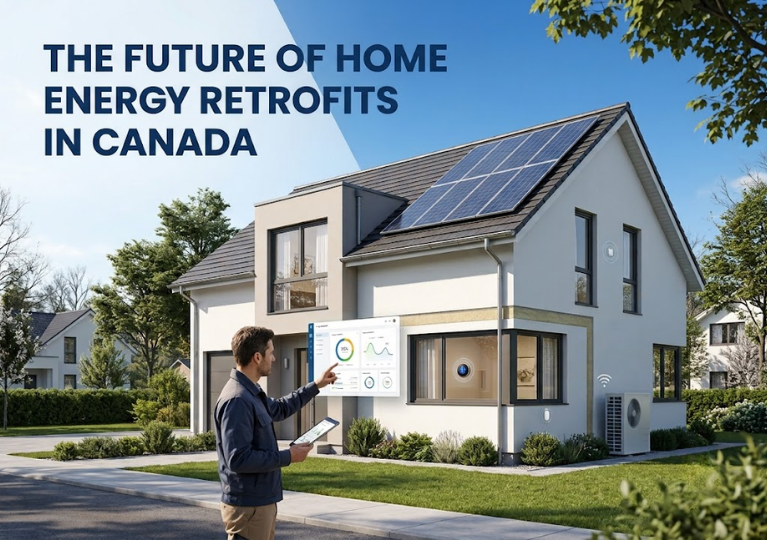
Canada is entering a new era of home energy efficiency. As homeowners look for better ways to reduce energy consumption, improve indoor comfort, manage rising energy costs, and create more sustainable homes, energy retrofits are becoming an increasingly important part of the residential landscape.
From solar panels and high-efficiency heating systems to better insulation, smart home technology, and energy monitoring, modern retrofit solutions are transforming the way Canadian homes use and manage energy. But the future of home energy retrofits is about more than individual upgrades. It is about creating smarter, more connected, and more efficient homes.
A Growing Need for Energy-Efficient Homes
Canadian homes experience a wide range of weather conditions throughout the year. Cold winters and changing seasonal temperatures can place significant demands on heating and cooling systems, particularly in older or poorly insulated homes.
Home energy retrofits provide an opportunity to improve how a property performs. By upgrading outdated systems and addressing areas where energy is lost, homeowners can create more comfortable living environments while improving overall energy efficiency.
As awareness around energy consumption and sustainability continues to grow, more homeowners are looking beyond short-term improvements and considering the long-term performance of their properties.
Technology Is Changing the Retrofit Experience
Technology is becoming an essential part of modern home energy management. Smart thermostats, connected heating and cooling systems, energy monitoring tools, solar technology, and intelligent controls are giving homeowners greater visibility into how their homes consume energy.
Instead of relying only on traditional equipment, homeowners can increasingly use technology to understand energy patterns and make more informed decisions.
This shift is also changing the retrofit process itself. Digital tools can help contractors and energy professionals organize property information, evaluate potential improvements, manage projects, and communicate with homeowners more effectively.
Solar Energy and Smarter Homes
Solar energy is becoming an important component of the future of residential energy efficiency. Installing solar panels can allow homeowners to generate electricity from a renewable source while reducing dependence on traditional electricity generation.
When solar technology is combined with energy-efficient appliances, smart energy controls, efficient heating systems, and better insulation, the overall performance of a home can improve significantly.
The future will increasingly involve homes where different technologies work together rather than operating as isolated systems.
Heat Pumps and Efficient Heating
Heating is one of the most important considerations for Canadian homeowners. Modern heating technologies, particularly heat pumps, are becoming increasingly relevant as homeowners explore more efficient ways to heat and cool their properties.
A properly selected and installed heat pump can provide heating and cooling from a single system while supporting improved energy efficiency.
However, every home is different. The building envelope, existing heating system, climate, electrical infrastructure, and property characteristics all need to be considered when planning a retrofit.
Better Insulation and Building Performance
Technology alone cannot solve every energy-efficiency challenge. The foundation of an efficient home is still the building itself.
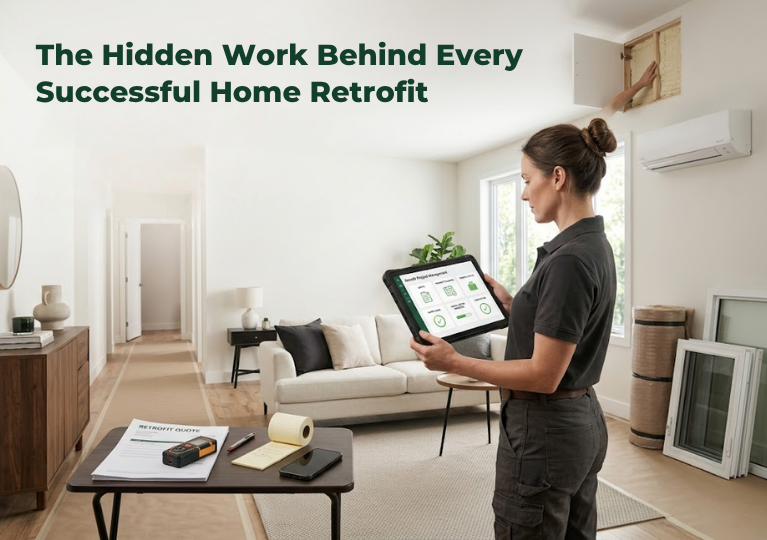
Insulation, air sealing, windows, doors, and other building-envelope components can have a major impact on energy performance. Improving these areas can help reduce unwanted heat transfer and make it easier for heating and cooling systems to maintain comfortable indoor temperatures.
The future of home retrofits will therefore combine advanced technology with improvements to the fundamental performance of the building.
The Rise of Data-Driven Retrofit Planning
One of the biggest changes coming to the retrofit industry is the growing role of data.
Property information, energy assessments, equipment details, project costs, upgrade recommendations, and performance information can all contribute to better retrofit decisions.
When this information is organized within a connected digital workflow, contractors and energy professionals can spend less time managing disconnected documents and more time focusing on project delivery.
Data can also help homeowners better understand why certain upgrades are recommended and how those improvements may contribute to their home's overall performance.
AI Could Transform Home Energy Planning
Artificial intelligence is also expected to play a larger role in the retrofit industry.
AI-powered systems can help process property information, identify potential energy-efficiency opportunities, organize project data, and support more informed planning.
Rather than replacing contractors or energy advisors, AI can become a valuable tool that supports their expertise and reduces repetitive administrative work.
As these technologies mature, retrofit planning could become faster, more personalized, and more data-driven.
Making Retrofit Projects Easier for Homeowners
A home retrofit can involve many different stages, from initial assessment and planning to contractor selection, installation, documentation, and follow-up.
For homeowners, managing all of these stages can sometimes feel complicated.
The future of retrofit services will focus on making the customer experience simpler and more transparent. Homeowners should be able to understand what improvements are being recommended, why they are needed, what the project involves, and where the project stands.
Digital platforms can help bring this information together and make communication between homeowners, contractors, and energy professionals more efficient.
A More Connected Retrofit Industry
The retrofit ecosystem includes homeowners, contractors, energy advisors, installers, suppliers, and other professionals. Each plays an important role in delivering successful energy upgrades.
When these stakeholders operate through disconnected systems, information can become difficult to track and communication can become inefficient.
Connected retrofit platforms can help create a shared workflow where project information, documentation, milestones, and communication are easier to manage.
This can help contractors scale their operations while giving homeowners a clearer experience from the beginning of a project through to completion.
The Role of Digital Platforms in Canada's Retrofit Economy
As the demand for home energy upgrades grows, the industry will need more than skilled professionals and energy-efficient products. It will also need better digital infrastructure.
This is where platforms such as EcoHatch can play an important role.
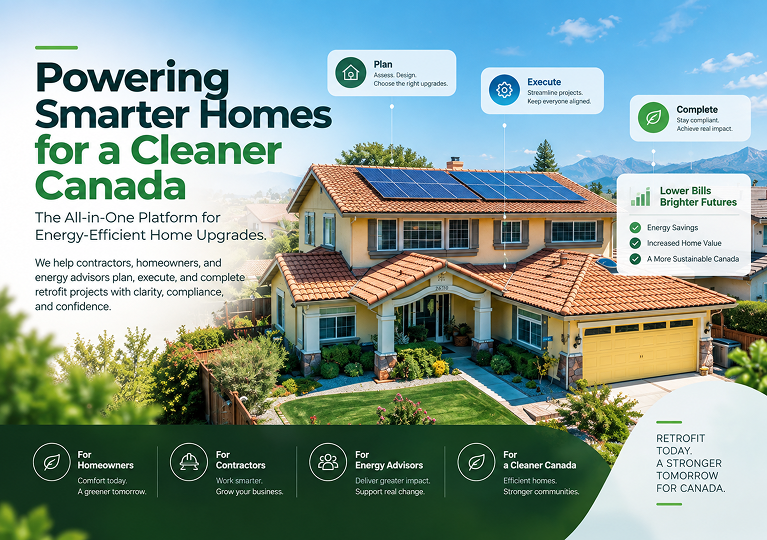
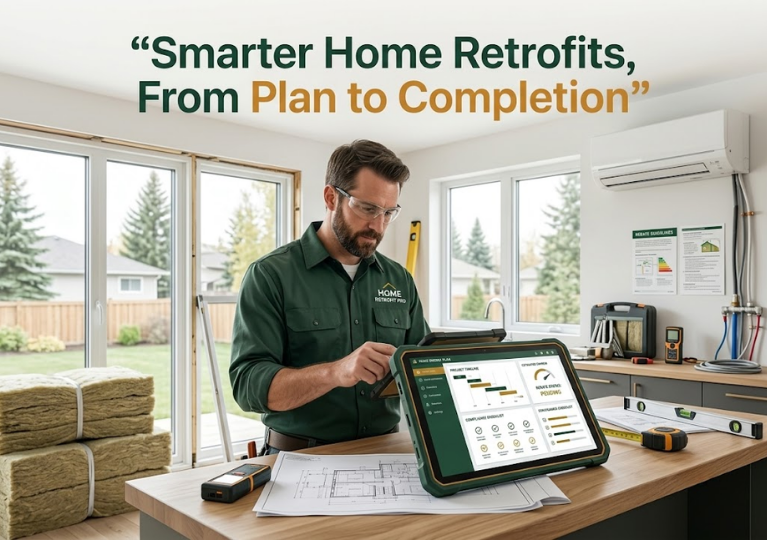
EcoHatch is designed to support the retrofit ecosystem by helping contractors, homeowners, and energy advisors manage the complex processes involved in energy-efficient home upgrades. By bringing planning, project management, compliance, documentation, and communication into a more connected workflow, digital technology can make retrofit delivery more organized and efficient.
The goal is not simply to digitize existing processes. It is to create a better way for the entire retrofit ecosystem to work together.
What the Future Could Look Like
The future Canadian home may be significantly more connected than today's typical household. Energy systems could communicate with smart devices, homeowners could monitor performance in real time, and retrofit professionals could use data and AI to make more informed recommendations.
A homeowner could have a clearer understanding of how their property performs, which improvements would provide the greatest value, and how those improvements fit into a long-term energy-efficiency strategy.
For contractors and energy professionals, digital tools could simplify project administration and allow them to manage more retrofit projects without increasing unnecessary manual work.
This combination of energy-efficient technology, professional expertise, data, and digital infrastructure could create a more efficient retrofit ecosystem across Canada.
Conclusion
The future of home energy retrofits in Canada is not simply about installing solar panels, upgrading heating systems, or adding insulation. It is about creating homes that are more efficient, comfortable, connected, and prepared for the future.
As technology continues to evolve, homeowners will have access to smarter energy solutions, while contractors and energy professionals will have better tools to plan and deliver retrofit projects.
The next generation of Canada's retrofit economy will depend on bringing these technologies, people, and processes together. With the right digital infrastructure, energy retrofits can become easier to plan, easier to manage, and more accessible to homeowners across the country.
EcoHatch is helping build that future by connecting contractors, homeowners, and energy advisors through smarter retrofit workflows — making energy-efficient home upgrades clearer, more organized, and more efficient from planning to completion.
Ready to Unlock Canada’s Retrofit Opportunity?
Turn rebates into revenue. Deliver compliant retrofits with confidence.
